
"Gitesi Washing Station"
90 article(s) found

What's so special about Rwandan coffee? Rwanda coffee is not sour.
Karnogi coffee in Rwanda is grown and harvested by local small farmers, and Gitesi Washing Station is responsible for washing. Although this is a relatively young coffee processing plant, it has always been famous for producing quality Rwandan coffee because of its responsible working attitude, good treatment equipment and standard processing procedures. Rwanda Karnogi coffee was launched at CoE in 2013.

Description of planting history by variety treatment of Rwandan coffee beans
Professional baristas please pay attention to the coffee workshop (Wechat official account cafe_style) Bourbon accounts for more than 90% of Rwanda's production. A small number of farmers grow bourbon variants BM-139 and Jackson. There are more mountains in the south and west, and water washing stations are also more famous. For example, Gitesi, Huye Mountain, Mibirizi, etc. Stone is common in Central America.

What is the introduction of Rwandan coffee varieties? flavor description treatment method planting historical manor information
Professional baristas please pay attention to the coffee workshop (Wechat official account cafe_style) Bourbon accounts for more than 90% of Rwanda's production. A small number of farmers grow bourbon variants BM-139 and Jackson. There are more mountains in the south and west, and washing stations are also famous. For example, Gitesi, Huye Mountain, Mibirizi, etc. Stone is common in Central America.
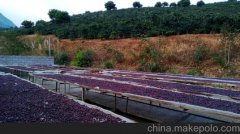
Green grass fragrant Rwanda maraba fine coffee cultivation climate altitude profile
Rwanda Karnogi coffee is grown and harvested by local smallholders and washed by Gitesi Washing Station. Although this is a relatively young coffee processing plant, it has always been famous for producing high quality Rwandan coffee due to its responsible working attitude, good processing equipment and standardized processing procedures.

Description of flavor, taste and aroma characteristics of washed bourbon coffee beans treated by Mushu in the western province of Rwanda
Since the establishment of the Rwanda Coffee Association, it has well carried forward the Rwandan coffee culture and promoted the influence of Rwandan coffee. Rwanda Karnogi coffee is planted and harvested by local small farmers, and Gitesi Washing Station is responsible for washing treatment. Although this is a relatively young coffee processing plant, it has a serious and responsible working attitude and good processing equipment.

Introduction to the Flavor description treatment method of Rwanda Coffee Bean Grinding scale producing area Manor
Karnogi coffee in Rwanda is grown and harvested by local small farmers, and Gitesi Washing Station is responsible for washing. Although this is a relatively young coffee processing plant, it has always been famous for producing quality Rwandan coffee because of its responsible working attitude, good treatment equipment and standard processing procedures. Rwanda Karnogi coffee was launched at CoE in 2013.

Introduction to the Flavor description of Rwanda Coffee beans produced by Regional treatment
Karnogi coffee in Rwanda is grown and harvested by local small farmers, and Gitesi Washing Station is responsible for washing. Although this is a relatively young coffee processing plant, it has always been famous for producing quality Rwandan coffee because of its responsible working attitude, good treatment equipment and standard processing procedures. Rwanda Karnogi coffee was launched at CoE in 2013.

Processing method of coffee beans in Rwanda Coffee washing station hand-classified coffee cherry processing steps
Throughout Rwanda, coffee beans are usually processed by wet processing. This is largely due to the efforts of modern people to invest time, energy and resources to develop public cleaning stations for the countless traces of coffee and cherries that need to be processed each year. Many of the small farms involved in the business are unable to create large independent washing stations like large coffee farms around the world. This is because most farmers

Rwanda Coffee short Story about Rwandan Coffee
For more information on coffee beans, please follow the coffee workshop (Wechat official account cafe_style) Rwanda Coffee, the most popular African coffee after Kenya and Ethiopia. But unlike the two famous countries, it does not have a long history of planting, let alone native varieties everywhere in the wild. This small African country is a fire Phoenix that has been reborn. Lou

Rwandan Coffee African Coffee Producing Region Rwandan Coffee Introduction Rwandan Coffee Flavors
Professional coffee knowledge exchange More coffee bean information Please pay attention to coffee workshop (Weixin Official Accounts cafe_style) Rwandan coffee is the most popular African coffee after Kenya and Ethiopia. However, unlike the two famous producing countries, it does not have a long history of cultivation, let alone wild native varieties; this small African country is a fire phoenix reborn from disaster.

Characteristics of Rwandan coffee beans? Is it bourbon? Which tastes better, sunburn or water washing in Rwanda?
Coffee world map characteristics of coffee beans in Rwanda? Is it bourbon? Which tastes better, sunburn or water washing in Rwanda? Rwandan coffee is the most popular African coffee after Kenya and Ethiopia. But unlike the two famous countries, it does not have a long history of planting, let alone native varieties everywhere in the wild. This small African country is a fire Phoenix that has been reborn. Rwanda

Description of the Flavor of the Historical Variety treatment method of Rwandan Coffee beans
Professional baristas please follow the coffee workshop (Wechat official account cafe_style) Rwanda (Rwanda), known as Land of a Thousand Hills, is located on the equator and is surrounded by East African States such as Congo, Uganda, Tanzania and Burundi. Geographically, it has suitable conditions for growing coffee, but it has been introduced by German missionaries since 1904.
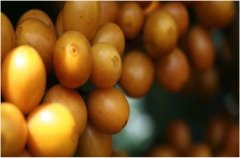
Coffee World Map--Introduction to Rwandan Coffee Development, Processing and Varieties
Professional barista exchanges, please pay attention to coffee workshop (Weixin Official Accounts cafe_style ) Rwandan coffee, the most popular African coffee after Kenya and Ethiopia. However, unlike the two famous producing countries, it has no long history of cultivation, let alone wild native varieties; this small African country is a fire phoenix reborn after disaster. Rwanda is known as

How's the coffee from Rwanda? What kind of seed do you grow? What's the difference between washing and insolation?
How's the coffee from Rwanda? What kind of seed do you grow? What's the difference between washing and tanning? Rwandan coffee is the most popular African coffee after Kenya and Ethiopia. But unlike the two famous countries, it does not have a long history of planting, let alone native varieties everywhere in the wild. This small African country is a fire Phoenix that has been reborn after robbery. Rwanda (Rwanda)

Processing method of planting history of information quality in producing area of flavor description of coffee beans in Rwanda
Professional baristas please follow the coffee workshop (Wechat official account cafe_style) Rwanda is the first African country to host COE events. This is the fifth year. In taste, Rwanda coffee has obvious floral and fruity aromas, and tastes as smooth as tea. The balance is the highest in the United States of Africa. The author's participation in this year's competition and feelings will be discussed in a separate article. Rwanda Coffee

A brief introduction to the treatment method of grinding degree and baking degree of Ludawang boutique coffee
Rwanda Coffee Market: Rwanda Coffee is absolutely high quality in the form of washed Arabica beans. As far as Africa is concerned, its coffee industry is remarkable because the country thrives mainly by producing the best possible coffee beans. Coffee from Rwanda is becoming more and more popular in the international market. The mission of the Rwandan Coffee Association is to manage and supervise the coffee production in Rwanda.

Introduction to the manor of Rwanda coffee single bean flavor description, planting and development history, treatment method in producing areas.
Professional baristas please follow the coffee workshop (Wechat official account cafe_style) Rwandan coffee, which is the most popular African coffee after Kenya and Ethiopia. But unlike the two famous producing countries, it does not have a long history of planting, let alone native varieties everywhere in the wild. This small African country is a fire Phoenix that has been reborn after robbery. Rwanda (Rwanda) claims

Rwanda washed Red Bourbon Huye Coffee Story-introduction to the main coffee producing areas in Rwanda
For more information on coffee beans, please follow Coffee Workshop (Wechat official account cafe_style) Rwanda Coffee, the most popular African coffee after Kenya and Ethiopia. But unlike the two famous producing countries, it does not have a long history of planting, let alone native varieties everywhere in the wild. This small African country is a fire Phoenix that has been reborn after robbery.

Description of the distribution of producing areas with the characteristics of coffee bean planting history in Rwanda
Professional baristas please follow the coffee workshop (Wechat official account cafe_style) Rwanda (Rwanda), known as Land of a Thousand Hills, is located on the equator and is surrounded by East African States such as Congo, Uganda, Tanzania and Burundi. Geographically, it has suitable conditions for growing coffee, but it has been introduced by German missionaries since 1904.

Description of flavor of coffee beans in Rwanda introduction of grinding scale of taste treatment method in manor area
Rwanda is a small African country, and the local people are relatively poor, but it produces straight and very good coffee. Unlike its neighbors Kenya and Ethiopia, Rwanda's coffee is mainly round bourbon. The taste is not as prominent as Ethiopia and Kenya, but the evenness is excellent. Karnogi coffee in Rwanda is grown and harvested by local small farmers and is produced by Git